


SIUT Hosts Seminar on Artificial Intelligence and the Shared Cultural Heritage of Central Asia and the Korean Peninsula

Samarkand International University of Technology held a scientific-practical seminar featuring Dr. Byoung Ho Kang — Commissioner of the Korean Press Arbitration Commission and Professor at the Department of Media Content, Pai Chai University (Republic of Korea). His lecture was titled “AI-Based Video Content Production and Shared Knowledge Base of Altai Culture”.
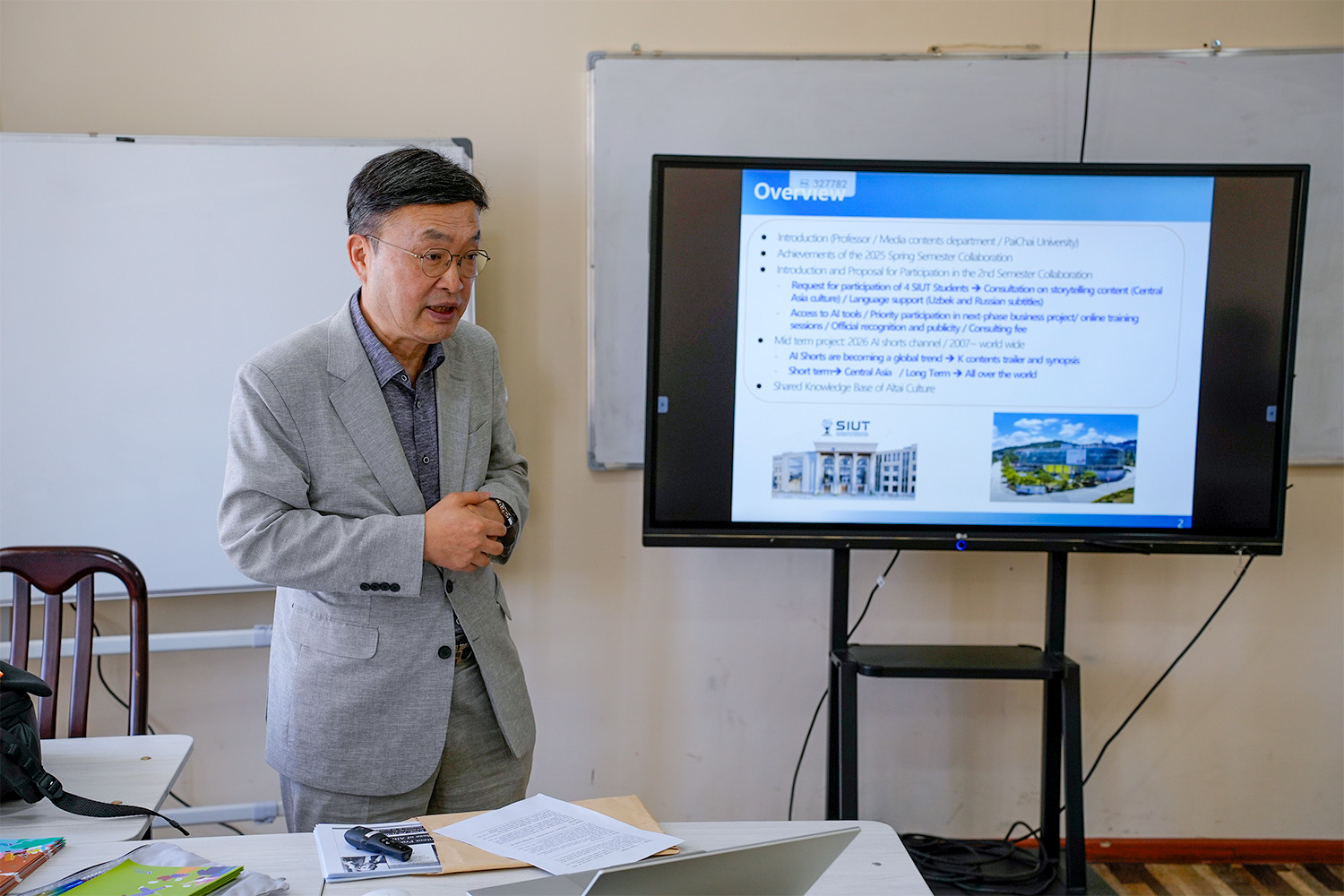
Dr. Kang emphasized that the influence of artificial intelligence has been rapidly expanding. Since the emergence of OpenAI’s ChatGPT, new technologies have been increasingly applied to media content production. According to him, AI is already transforming video creation — from scriptwriting to final editing — and the coming years will mark an era of close collaboration between humans and algorithms.
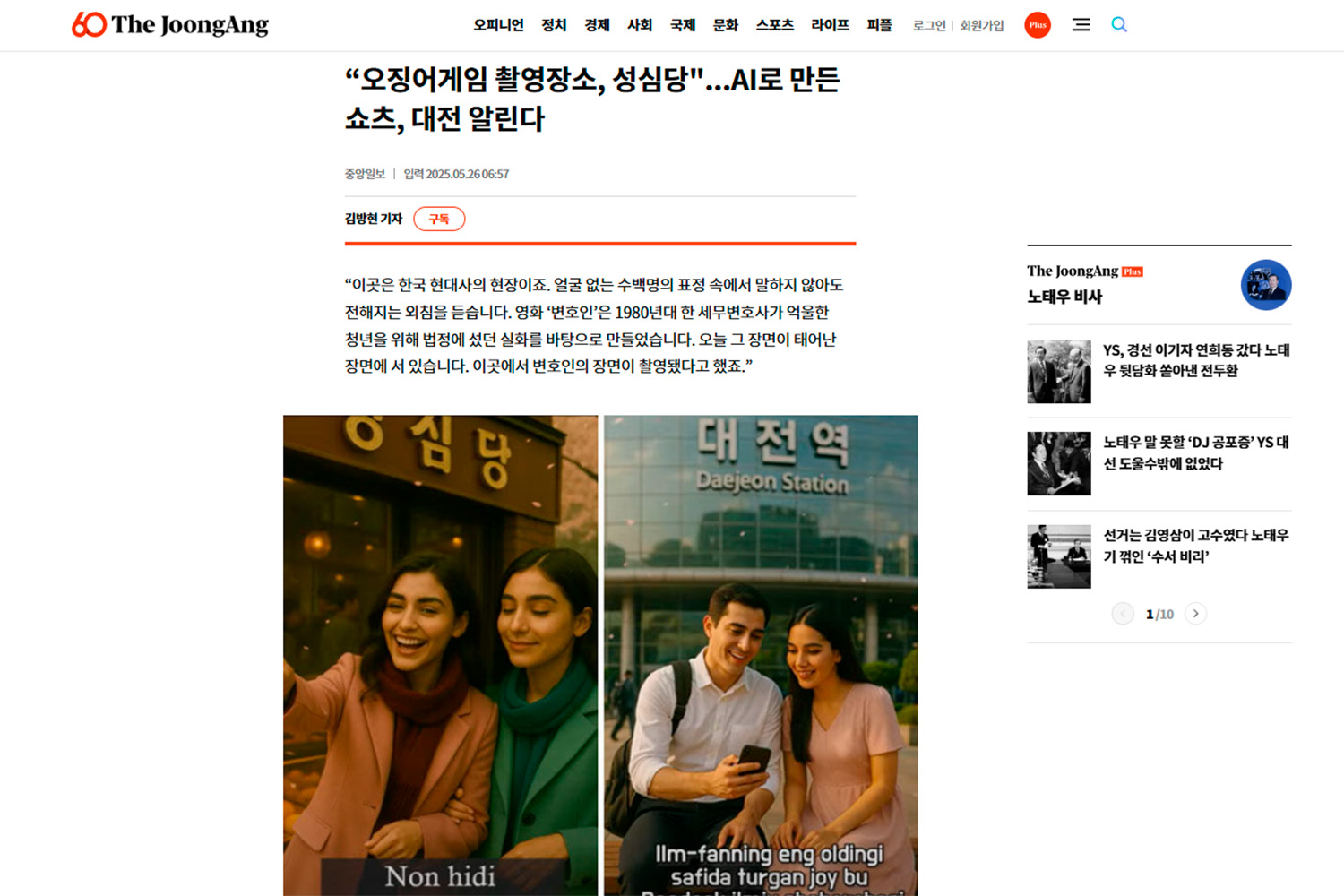
One example is the joint project launched in 2025 by Pai Chai University and SIUT, in which students from both countries produced AI-assisted video shorts showcasing landmarks of Daejeon. These videos were presented in three languages — Korean, English, and Uzbek. The project attracted significant attention in South Korean media, including JoongAng Ilbo, one of the nation’s leading newspapers, which published interviews with SIUT “Design” program students Akmal Islamov and Shohida Rashidova, who took part in this unique initiative.
A key focus of Dr. Kang’s lecture was the deep cultural ties between Central Asia and the Korean Peninsula, rooted in the Altai civilization. He highlighted that the languages, mythology, nomadic traditions, and musical heritage of these regions form a unique knowledge base that can serve as a foundation for AI training and multimodal media content creation.
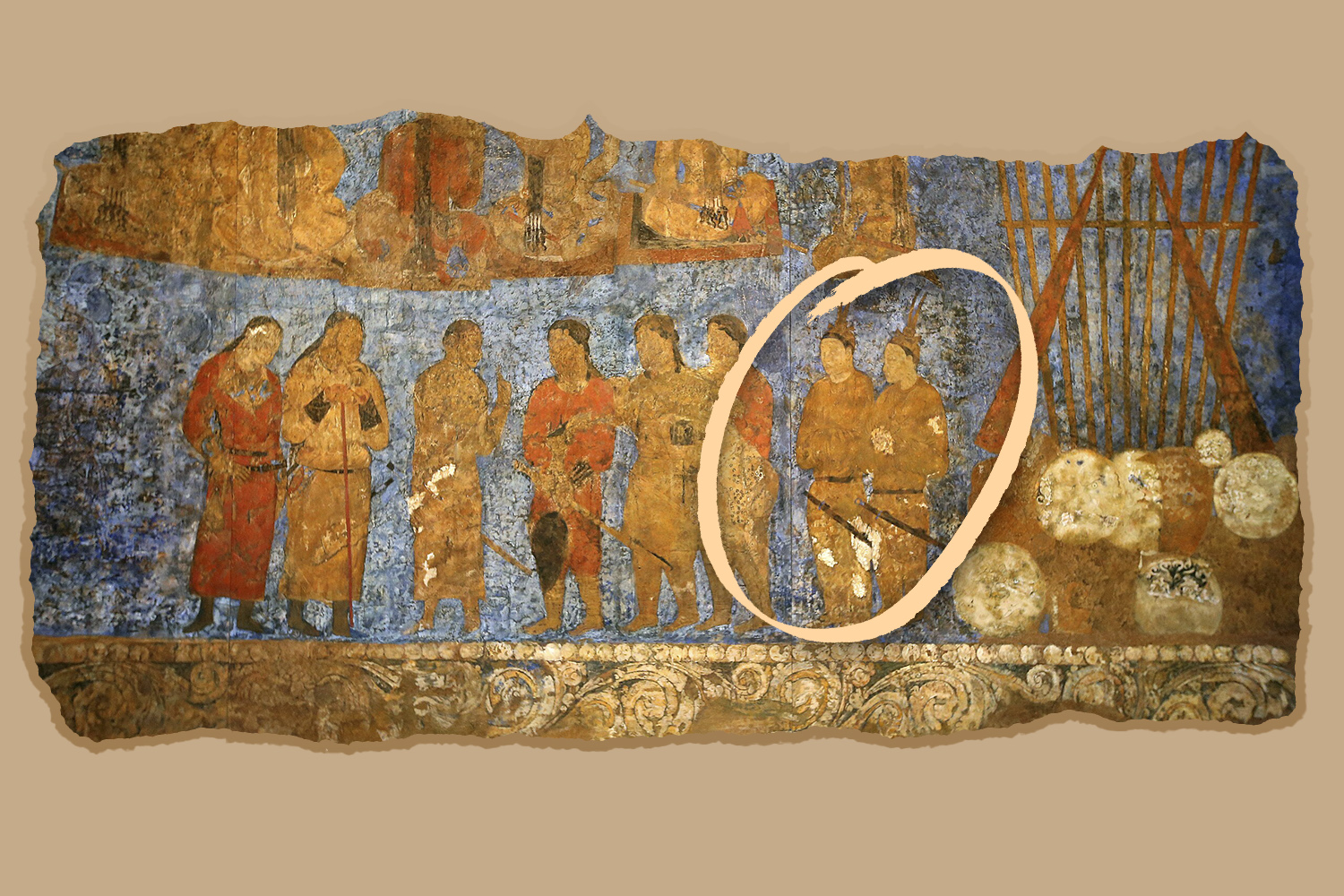
For instance, he referenced a 7th-century mural at the Afrasiab Museum in Samarkand depicting an envoy from the Goguryeo Kingdom, which provides evidence of vibrant cultural exchange over a thousand years ago. These shared roots, he noted, open new opportunities for multilingual storytelling and cross-cultural media projects.
The seminar was not only theoretical but also highly practical. Dr. Kang outlined plans for future cooperation that will involve SIUT students directly. Their contributions will include consulting on storytelling that reflects Central Asian cultural contexts and supporting language localization through the preparation of Russian and Uzbek subtitles.
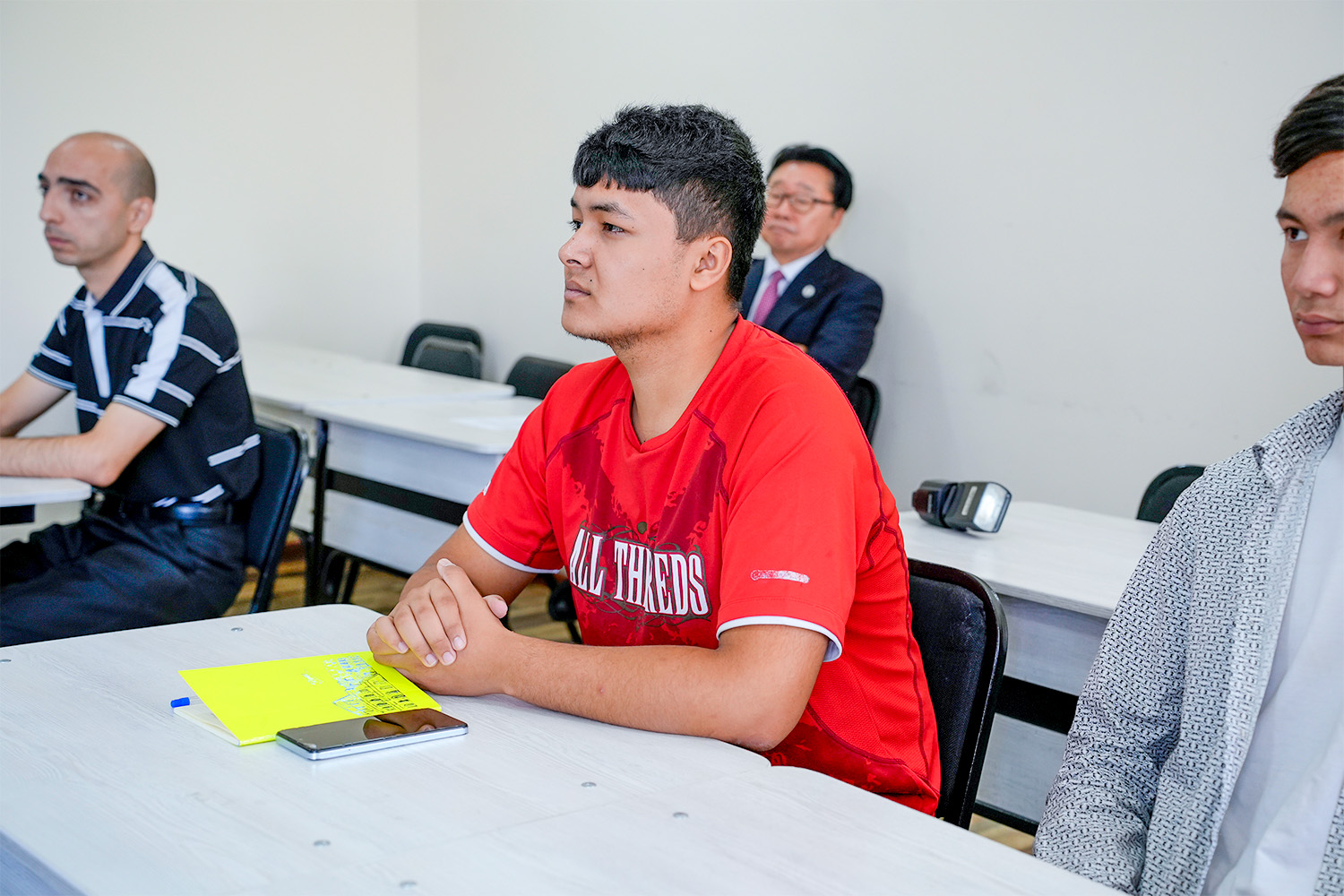
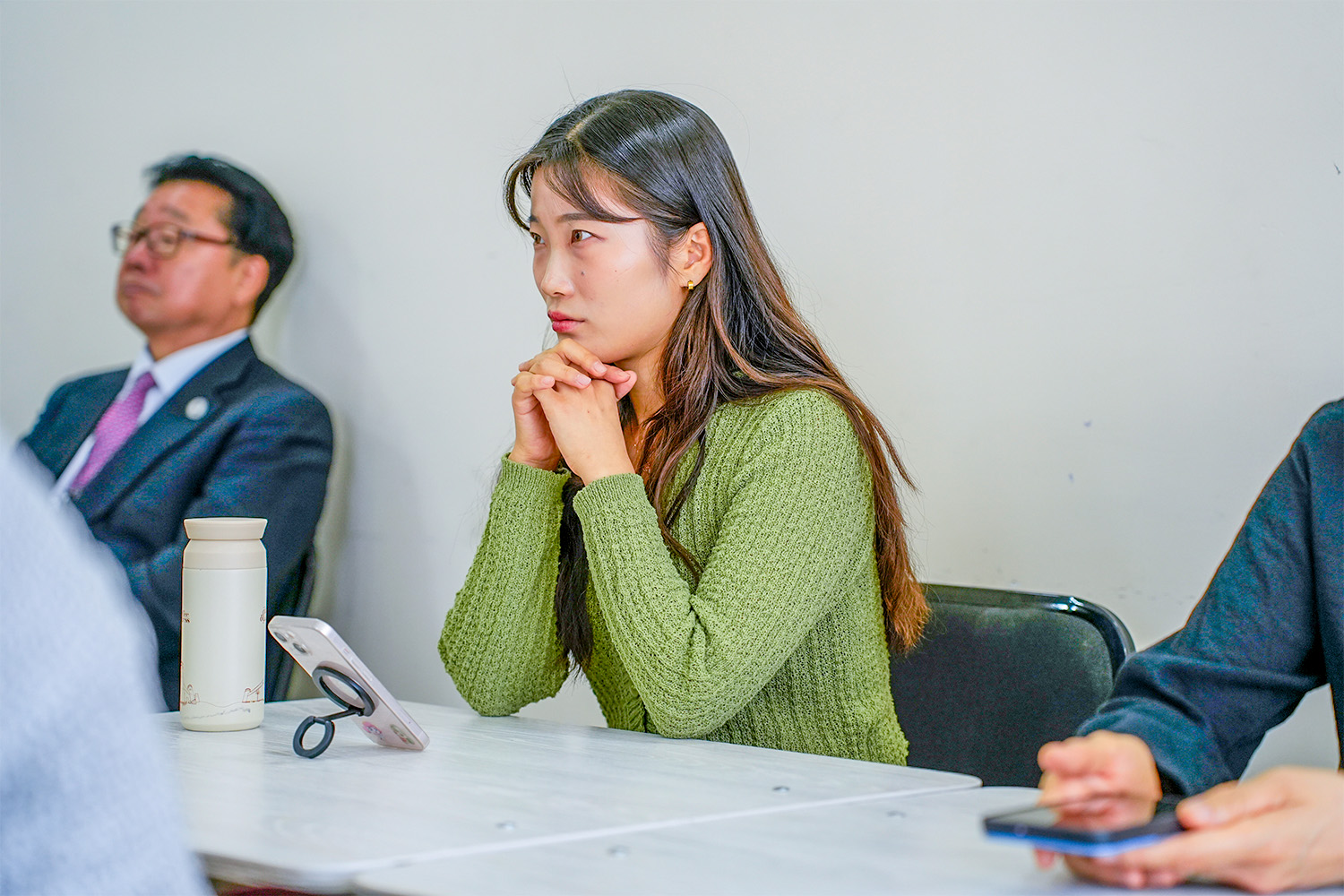
Additionally, SIUT students will gain access to advanced AI platforms, opportunities for online training, and involvement in international exhibitions and projects. Over time, their participation may evolve into genuine partnerships in commercial initiatives focused on the development of AI-driven video content.
According to experts, by 2040 artificial intelligence is expected to reach a level of human-like creativity in music, art, and literature. Dr. Kang expressed his confidence that the young generation of researchers and creators in Central Asia and Korea will play a pivotal role in shaping a new media environment — one that is powered by technology yet rooted in shared cultural heritage.


