


PROfessors: Dr. Aziza Kuldasheva — On Science, STEM, and the Role of Women in Engineering

Welcome, dear readers! We continue our exclusive series “PROfessors”, introducing you to those who drive science forward, design the technological future, and nurture new generations of engineers.
Our guest today is Dr. Aziza Kholjigitovna Kuldasheva, Doctor of Technical Sciences, Professor, and an experienced engineer-technologist specializing in building materials. Her academic journey is a story of perseverance, breaking gender stereotypes in engineering, and international research that spans China, Germany, Latvia, Slovakia, and beyond. Currently, she teaches and leads research projects at Samarkand International University of Technology, focusing on sustainable and resource-efficient eco-materials.
As part of the PROfessors project, we spoke with Dr. Kuldasheva about how to build a sustainable future through “green construction,” her international research experience, and the power of female determination in STEM education.
— Good afternoon, Dr. Aziza Kuldasheva! Your scientific journey deserves special attention — it began here, in Samarkand, expanded across Asia, and gained recognition in Europe. What was the turning point that made you dedicate yourself to such a complex and traditionally “male” field as construction materials?
— Hello! I’m very pleased to be a guest of your project. In fact, my passion for science began with my very first laboratory class. While studying at SamSACI (Samarkand State Architectural and Construction Institute, now University), I realized that even behind a simple concrete mixture lies a vast and unexplored world. That’s when I understood — this was my path. Every successful or unsuccessful experiment raised new questions and, therefore, gave me a reason to return to the lab. Looking back now, those first laboratory lessons became a kind of moral and professional compass for me.
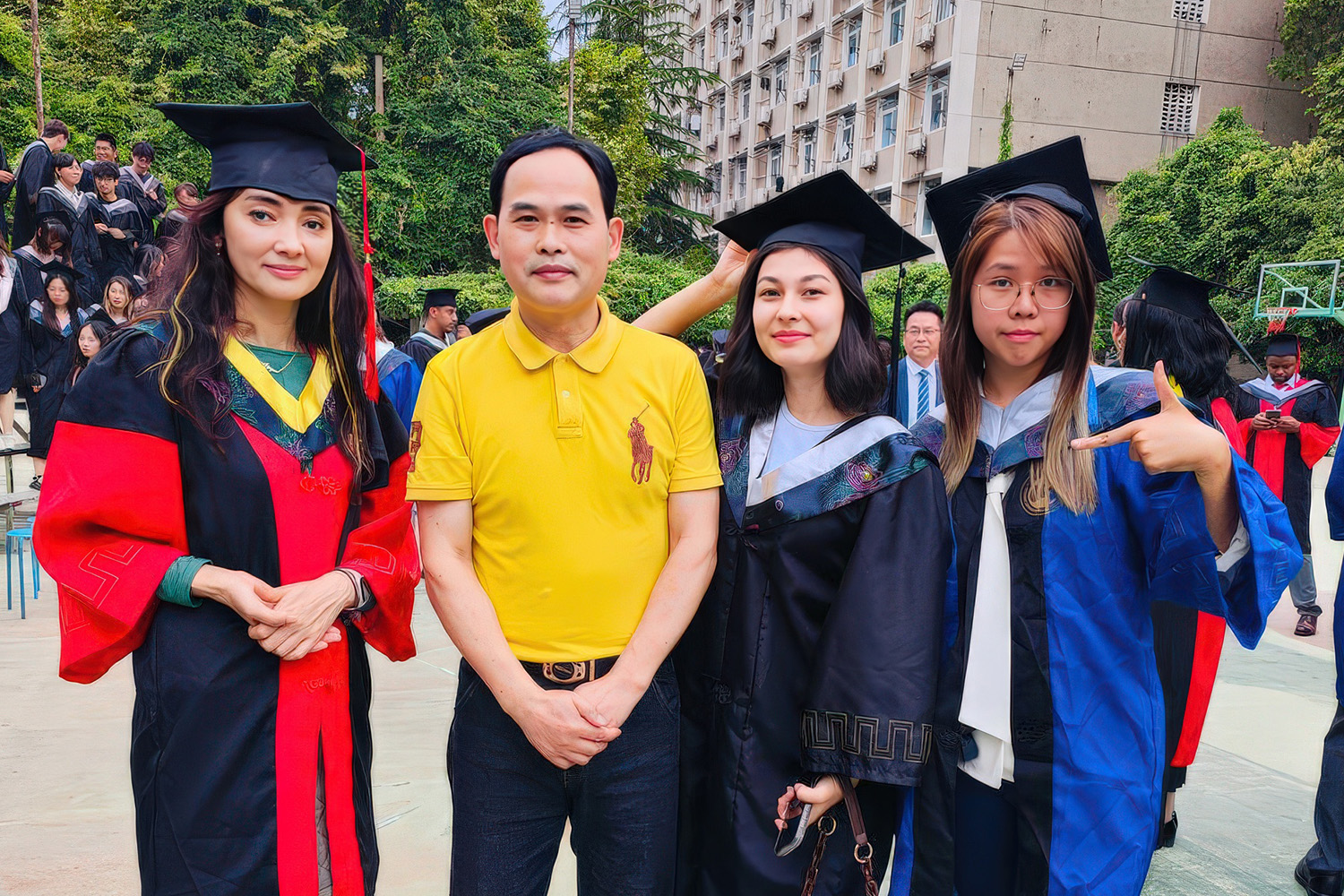
— You have extensive research experience in China, Germany, Russia, Latvia, and Slovakia. What was the key lesson you learned from this global scientific journey, and how has it influenced your work at SIUT today?
— Every country gave me unique skills and new competencies. For instance, in China, I learned scientific discipline, persistence, and the culture of tireless work. Europe, on the other hand, introduced me to the principles of “green economy” and the environmental imperative in construction. This experience allowed me to join advanced projects, such as our current collaboration with the Slovak University of Technology — studying eco-concretes based on wollastonite and recycled aggregates. For me, it doesn’t matter in which laboratory or in which country you work — science knows no boundaries. True dedication and hard work always lead to progress.
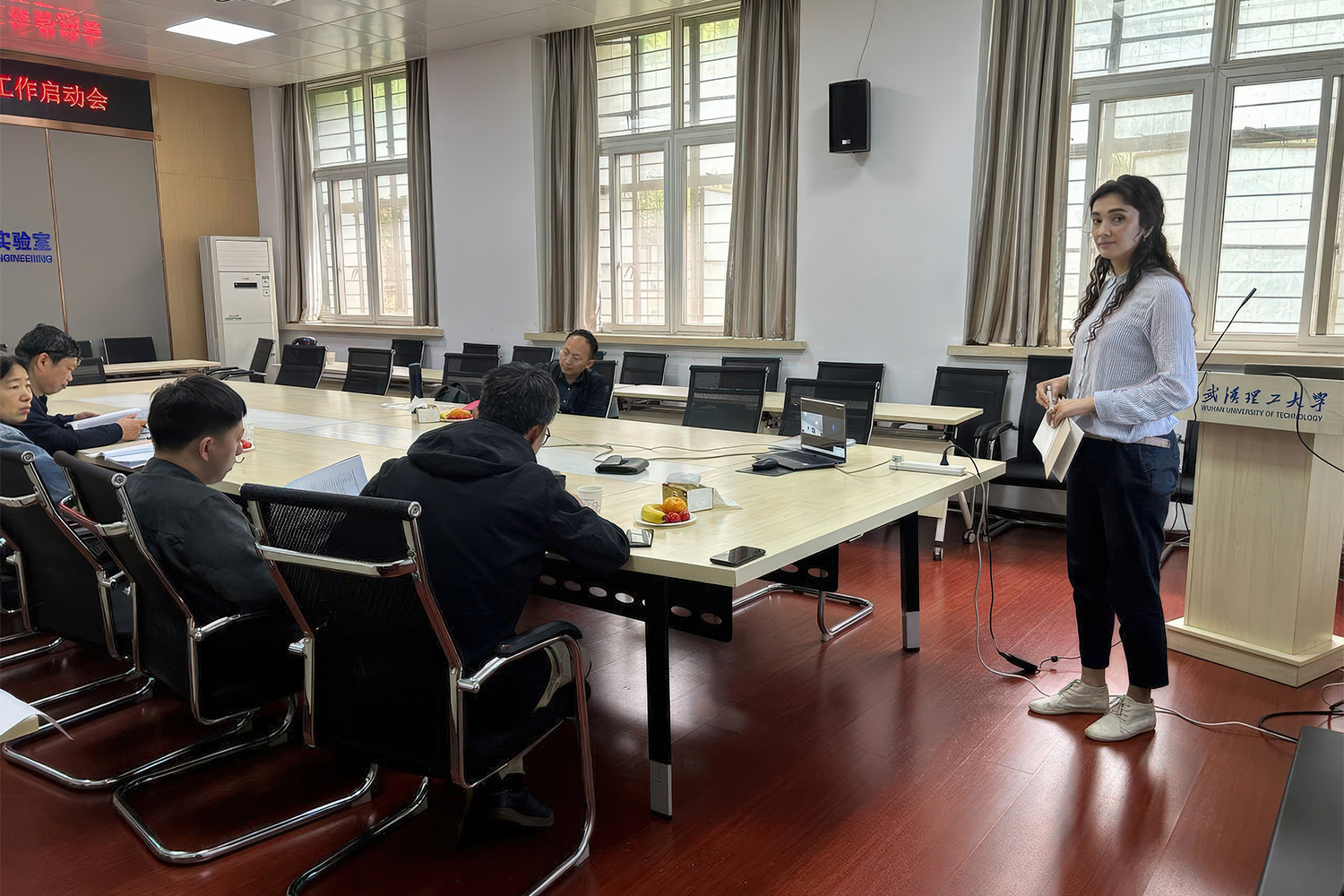
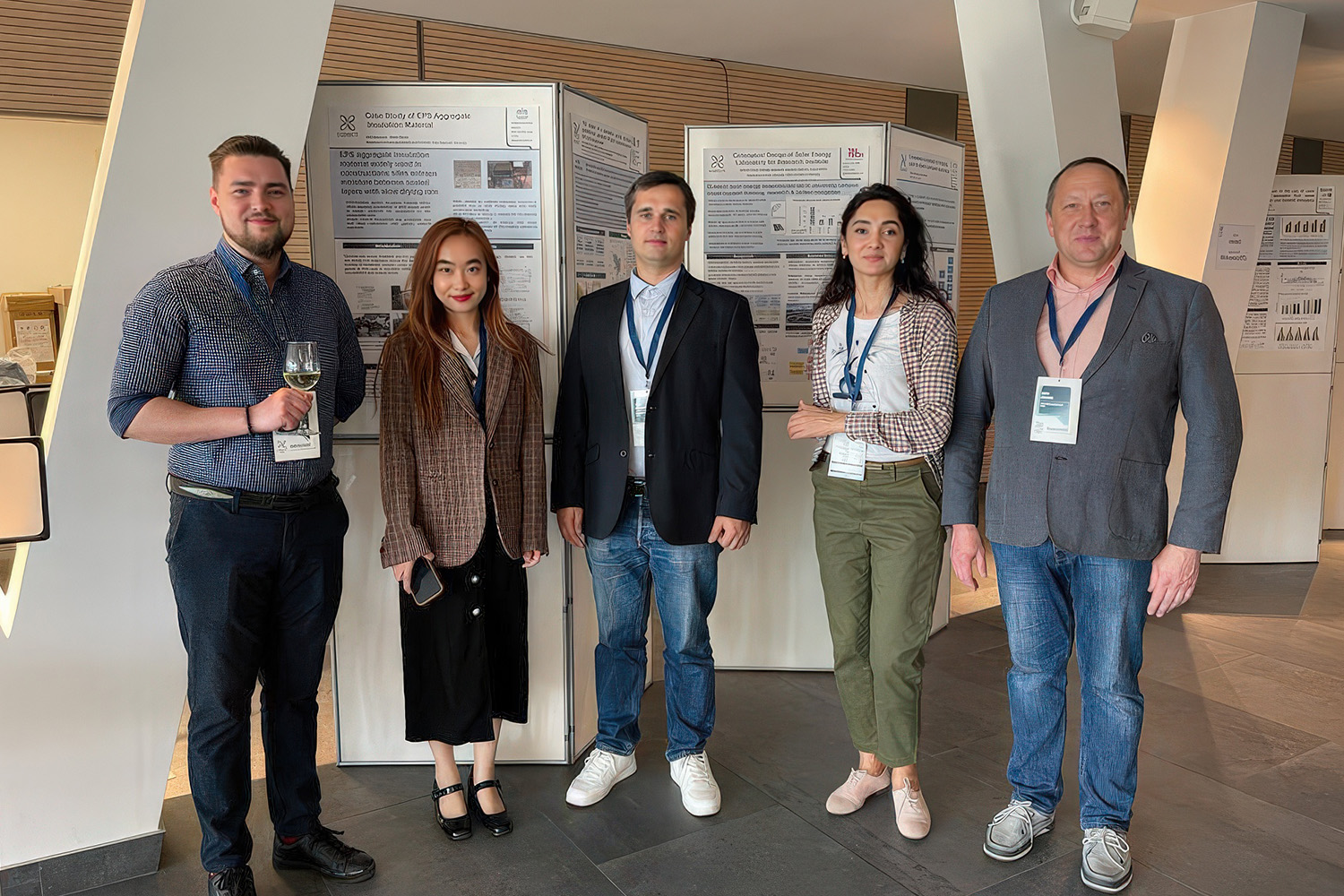
— Your specialization — concrete technology — is at the center of today’s environmental challenges due to its high resource consumption and carbon footprint. What is the scientific significance of your research, and how does it address global industrial problems?
— The construction industry is one of the largest consumers of natural resources, so researchers today face the challenge of developing materials that are not only strong but also energy-efficient and environmentally friendly. My research with the natural mineral wollastonite focuses on this very issue. Wollastonite enhances the mechanical strength and durability of concrete while significantly reducing the need for expensive and carbon-intensive cement. Our goal is not only to improve performance but also to make a real contribution to reducing the industry’s environmental impact — a vital goal for future generations.
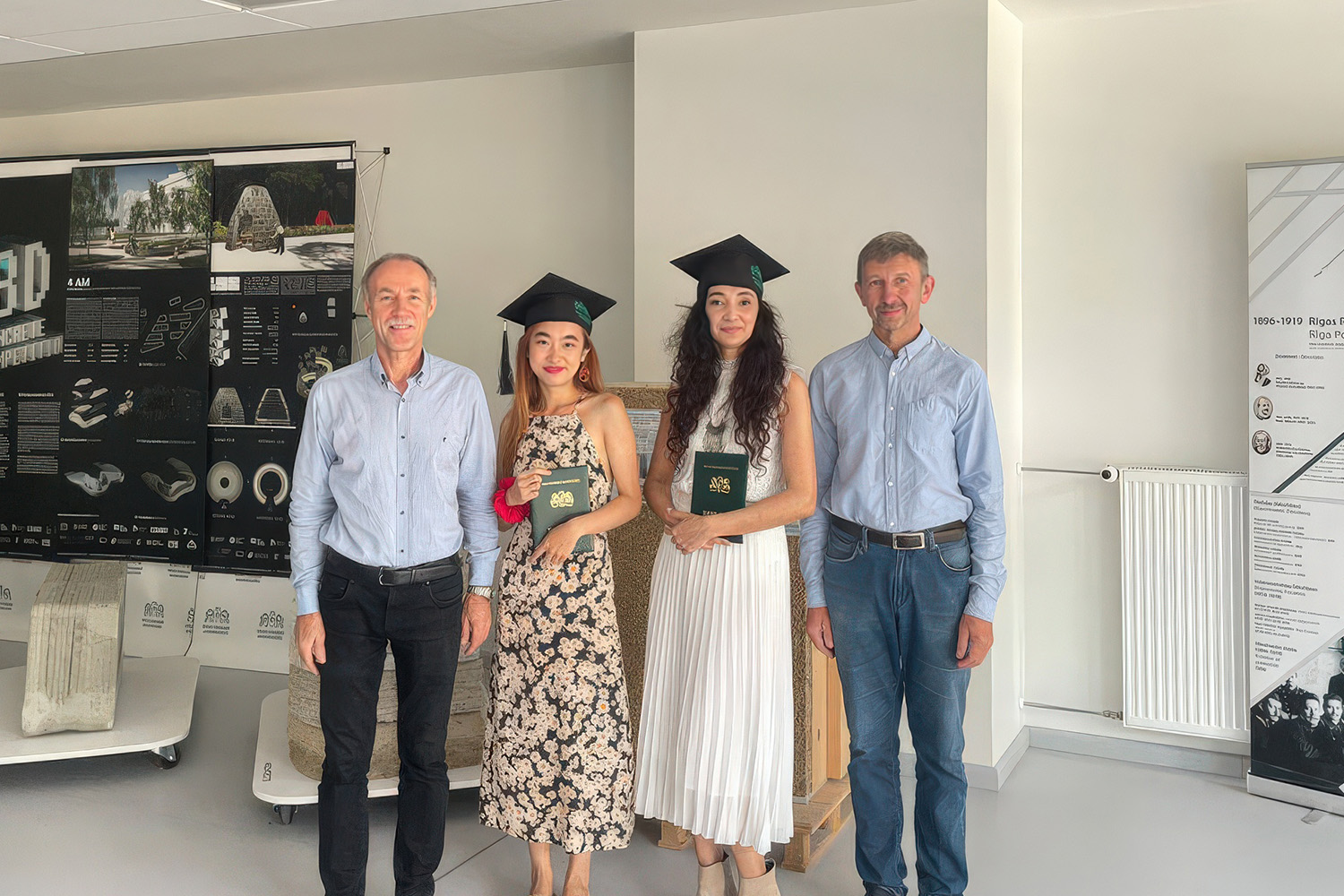
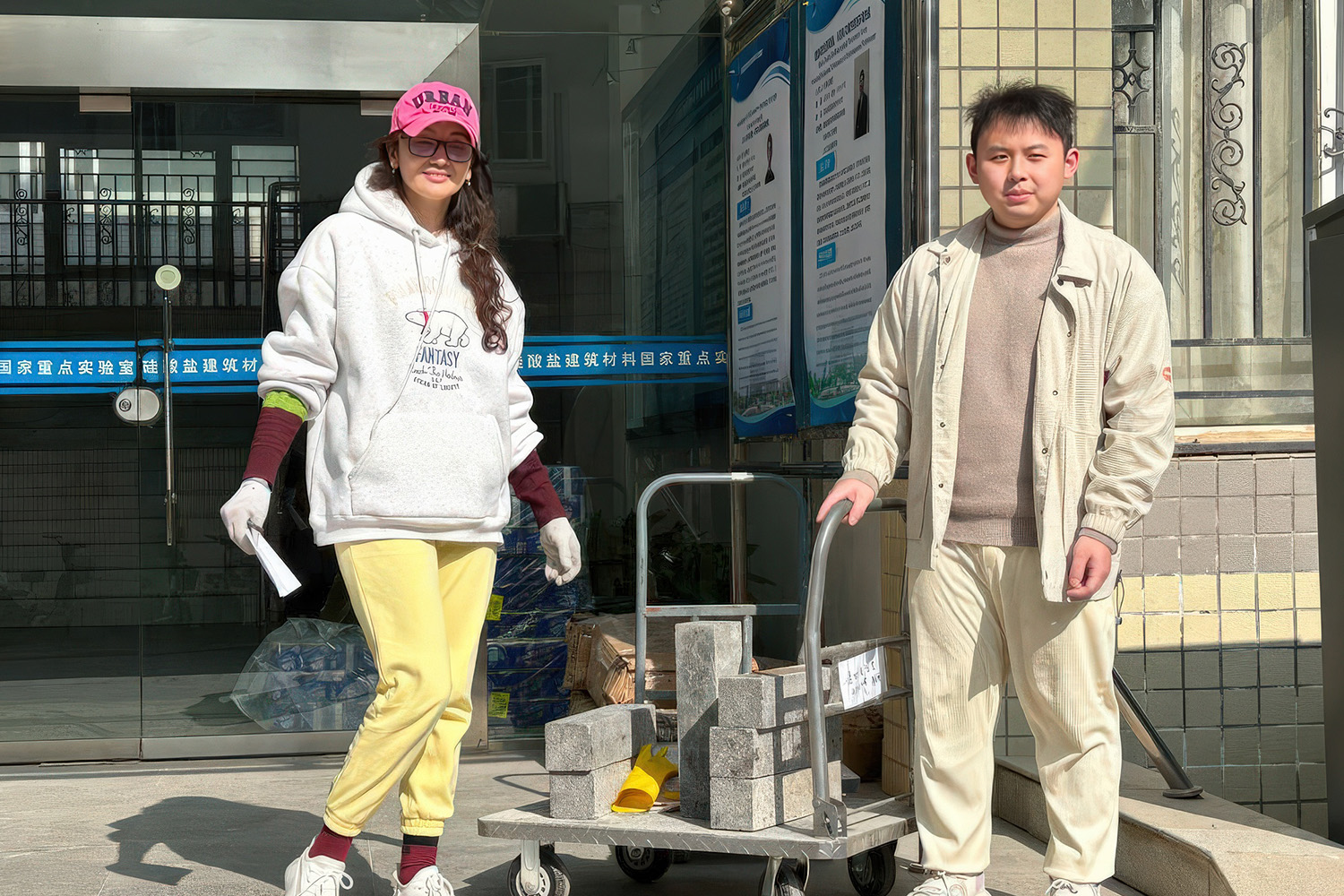

— Your career spans major research centers across several countries. After so many years abroad, what motivated you to return to Samarkand? What does this city mean to you personally?
— Samarkand is more than just a city to me; it’s my soul, it’s my anchor. After spending so many years abroad, I knew my knowledge and experience needed to come back home—to make a difference right here. Returning to Samarkand was a very conscious decision. For me, this city is a cradle of knowledge and a place that holds life's most important lessons.

— You combine teaching with your duties as SIUT’s Scientific Secretary. What is your mission in developing and consolidating the university’s research work, and how do you assess the potential of female students in engineering disciplines?
— SIUT is an environment where everyone — from students to professors — generates innovative ideas. My role as Scientific Secretary is to direct this flow of initiatives toward measurable research outcomes aligned with international standards.
As for female students, I take special pride in their progress. Today, 38% of SIUT students are women, proving that interest in engineering and technology among young women is growing. This reflects our country’s policy on gender equality in STEM, and I would emphasize that SIUT not only provides equal opportunities but also actively supports the development of women’s scientific potential.
— What is it like to be a woman scientist in the field of engineering? What unique challenges have you faced, and how do you evaluate the potential of young women entering this profession?
— I’ll be honest, it’s a difficult path, but it’s incredibly energizing. In science, your gender doesn't matter, but women do have their own strengths: we are often more diligent, more attentive to the small details, and perhaps, more patient.
I see how our student girls at SIUT are showing such a huge interest in engineering. When I see that spark in their eyes, I can almost hear them thinking, "I can do that, too." That is my biggest inspiration. Every step they take is a victory, not just for them, but for the entire future of science in Uzbekistan.

— Finally, what advice would you give to young researchers and SIUT students who are just beginning their scientific journey?
— I would highlight three key qualities: patience, perseverance, and unwavering belief in oneself. I wanna wish for you to simply believe in yourselves and in the power of your work. You don't need to overcomplicate it: if you're interested in something, there's nothing to be afraid of. Science demands dedication, but in return, it gives you the very real opportunity to change the world. Look for what interests you, find your own path. And remember, science begins with the heart.
— Thank you for this inspiring and insightful conversation! We wish you continued professional success!
About Dr. Aziza Kuldasheva
- Full name: Kuldasheva Aziza Kholjigitovna;
- Position: Professor, Scientific Secretary at SIUT;
- Academic degree: Doctor of Technical Sciences (D.Sc.), PhD;
- Specialization: Construction materials technology, concrete science, engineering structures;
- Publications: Over 35 scientific articles, 1 patented invention, participant in international research grants;
- International experience: China, Latvia, Russia, Germany, Slovakia;
- Awards: Winner of the “Most Active Young Scientist” competition (Federation of Trade Unions of Samarkand Region, 2014); 1st place in the “Best Young Builder” national competition (Tashkent, 2016); 1st place in the “Best Young Lecturer” national competition (Tashkent, 2017);
- Languages: Fluent in Russian, English, Chinese, Farsi, and Latvian;
- Research interests: Sustainable construction using mining waste, environmental safety, and innovative material technologies.
Interview conducted by SIUT Press Secretary Asila Ibragimova (originally in Uzbek).


